

Sil Batta: Why India's Traditional Stone Grinder Still Holds a Special Place in Modern Kitchens
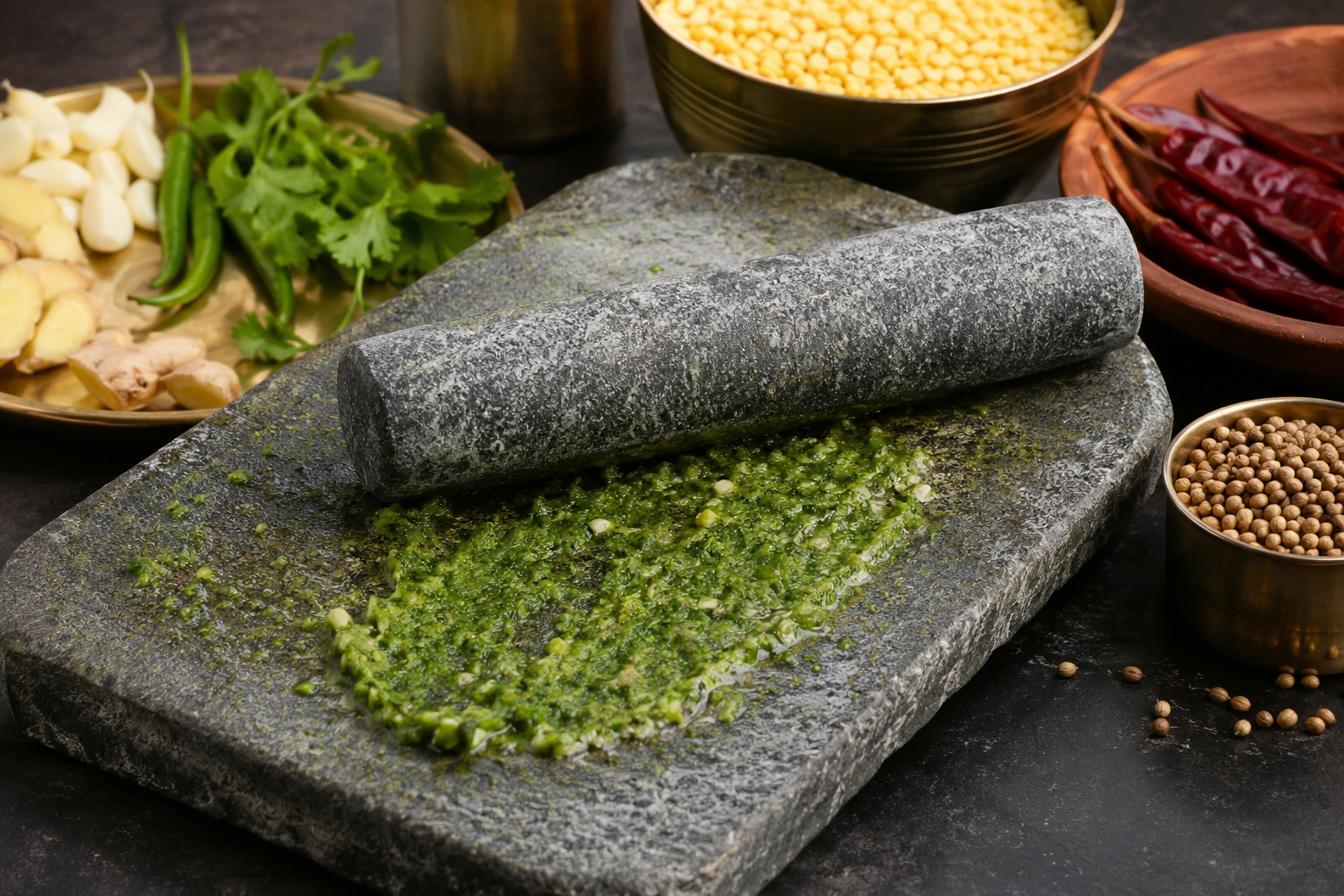
New Delhi, July 1: In an era dominated by electric mixer grinders and food processors, the traditional sil batta continues to remain an irreplaceable part of Indian culinary heritage. Once found in nearly every household, this centuries-old stone grinding tool is making a comeback as chefs, home cooks, and food enthusiasts rediscover its ability to enhance the flavour, aroma, and authenticity of Indian dishes.
The sil batta consists of a flat stone slab and a cylindrical grinding stone used to crush spices, herbs, garlic, ginger, chillies, and other ingredients by hand. While it may appear simple, culinary experts say the tool plays a significant role in preserving India's traditional cooking methods. Across different regions of the country, it is known by various names such as ammikkal in Tamil Nadu, shil nora in West Bengal, and pata-varvanta in Maharashtra, reflecting its deep cultural and historical significance.
One of the biggest reasons for the renewed interest in the sil batta is the superior taste it brings to food. Unlike electric grinders, which use high-speed blades and generate heat, the stone grinder slowly crushes ingredients, helping release their natural oils and essential flavours. This gentle grinding process results in richer aromas, smoother textures, and more authentic spice blends, making it a preferred choice for preparing traditional chutneys, masalas, curry pastes, and herbal mixtures.
Many renowned chefs believe that recipes prepared using a sil batta have a distinct taste that cannot be replicated by modern appliances. Popular dishes such as coconut chutney, coriander chutney, garlic paste, mustard paste, and freshly ground garam masala often achieve a deeper flavour when prepared using the traditional stone grinder.
Apart from its culinary advantages, the sil batta also holds immense cultural value. For generations, it has been an essential household item, often passed down as a family heirloom. In many parts of India, it has traditionally been used during festivals, weddings, and religious ceremonies to grind turmeric, sandalwood, and other sacred ingredients. The craftsmanship involved in carving these grinding stones also supports local artisans who continue to preserve this age-old tradition.
Health-conscious consumers are also appreciating the benefits of manual grinding. Since the process produces very little heat, it helps retain the natural nutrients, aroma, and essential oils present in herbs and spices. Preparing fresh spice pastes at home also reduces dependence on packaged and processed products, encouraging healthier cooking practices.
Environmental sustainability is another reason behind the growing popularity of the sil batta. Made entirely from natural stone, it requires no electricity, creates no electronic waste, and can last for decades with proper maintenance. As more people embrace eco-friendly lifestyles, traditional kitchen tools like the sil batta are being viewed as practical and sustainable alternatives to electric appliances.
With India's culinary traditions gaining global recognition, the sil batta has become a symbol of authenticity and heritage. Cooking enthusiasts are increasingly embracing traditional methods to recreate regional recipes with their original taste and texture. Although modern technology has transformed kitchens across the country, the timeless stone grinder continues to prove that some traditions never lose their value.
As the appreciation for authentic Indian cuisine grows, the humble sil batta stands as a reminder that preserving age-old culinary practices can enrich both flavour and cultural identity for generations to come.
Powered by Froala Editor