
Supreme Court Declares Safe Footpaths a Fundamental Right, Directs States to Improve Pedestrian Infrastructure

New Delhi, June 19: In a landmark judgment aimed at strengthening pedestrian safety and promoting inclusive urban development, the Supreme Court has declared that every citizen has a fundamental right to walk on safe and accessible footpaths. The court held that the availability of secure and obstruction-free pedestrian pathways forms an essential part of the Right to Life guaranteed under Article 21 of the Constitution.
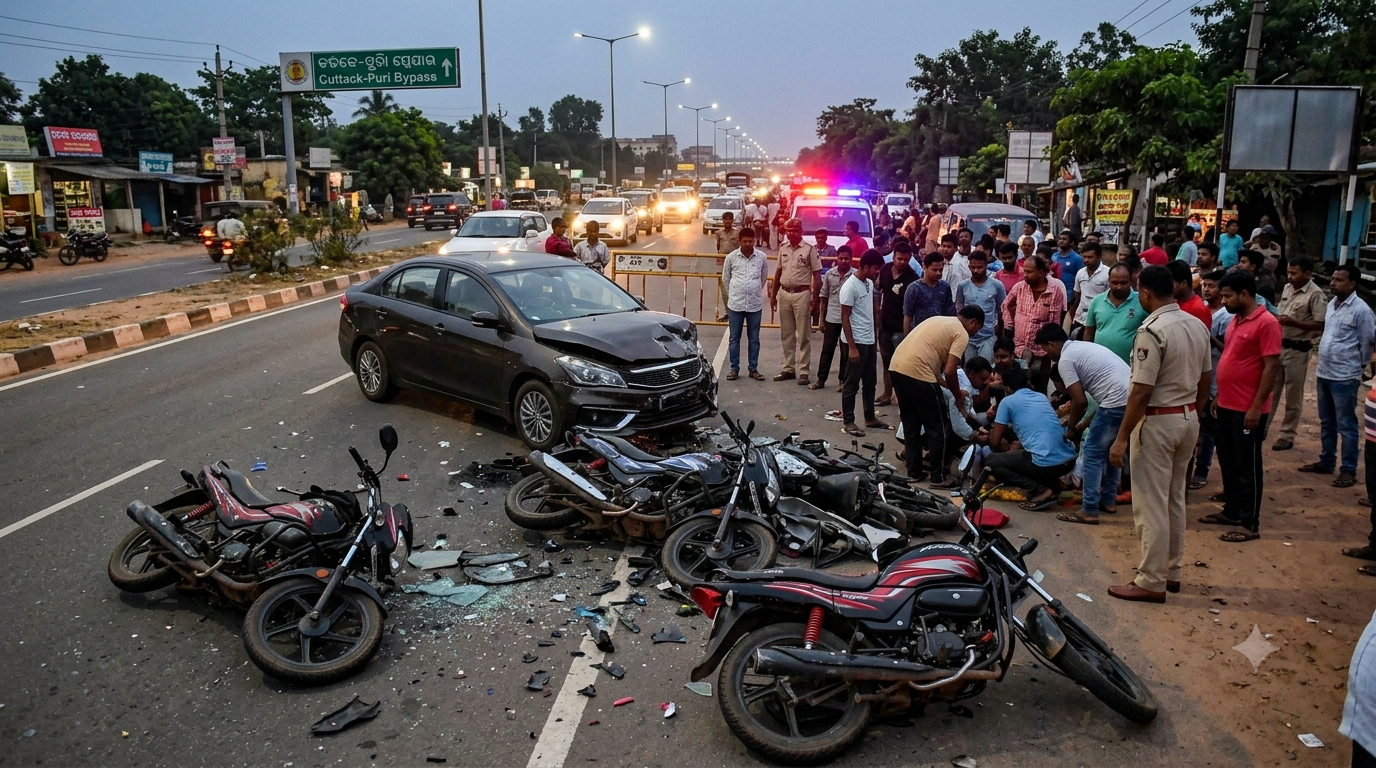
The ruling came during the hearing of matters related to road safety and pedestrian welfare. A bench of the apex court observed that millions of people across the country are forced to walk on busy roads due to the absence of proper footpaths or because existing sidewalks are frequently occupied by encroachments, parked vehicles, vendors, and other obstacles. Such conditions, the court noted, expose pedestrians to unnecessary risks and contribute to a growing number of road accidents.
Emphasizing the importance of pedestrian-friendly infrastructure, the court stated that footpaths are not merely public conveniences but a basic necessity that enables citizens to move safely and with dignity. It underlined that the responsibility for ensuring safe walking spaces lies with governments and local civic bodies.
The Supreme Court further directed all states and Union Territories to formulate and implement comprehensive guidelines for the construction, maintenance, and protection of footpaths. These guidelines should ensure that pedestrian pathways remain free from encroachments and are designed to accommodate people from all sections of society, including senior citizens, children, and persons with disabilities.
The bench stressed the need for universally accessible infrastructure, noting that inclusive urban planning is essential for creating safer and more equitable cities. It called upon authorities to adopt modern standards that prioritize the needs of pedestrians alongside those of motorists.
Referring to previous judicial pronouncements on the right to life and dignity, the court reiterated that public spaces must be developed in a manner that protects the interests of pedestrians. The judgment also highlighted the growing challenges posed by rapid urbanization and increasing vehicular traffic, making dedicated walking infrastructure more important than ever before.
In addition, the apex court directed the Union Government to place on record its existing policies and future plans concerning pedestrian safety. It also asked states and Union Territories to consider recommendations and best practices developed by various High Courts in relation to pedestrian rights and urban mobility.
Road safety experts, urban planners, and legal observers have welcomed the decision, describing it as a major step toward creating more people-centric cities. They believe the judgment will encourage civic authorities to remove illegal encroachments, improve sidewalk quality, and ensure that pedestrians receive greater protection under urban development policies.
The ruling is expected to have far-reaching implications for city planning and public infrastructure projects across India. By recognizing safe footpaths as a constitutional right, the Supreme Court has reinforced the principle that every citizen deserves secure and accessible public spaces, regardless of age, ability, or economic background.
Powered by Froala Editor