
ISRO Tightens Exit Policy After Over 100 Scientists Resign from Key Space Missions
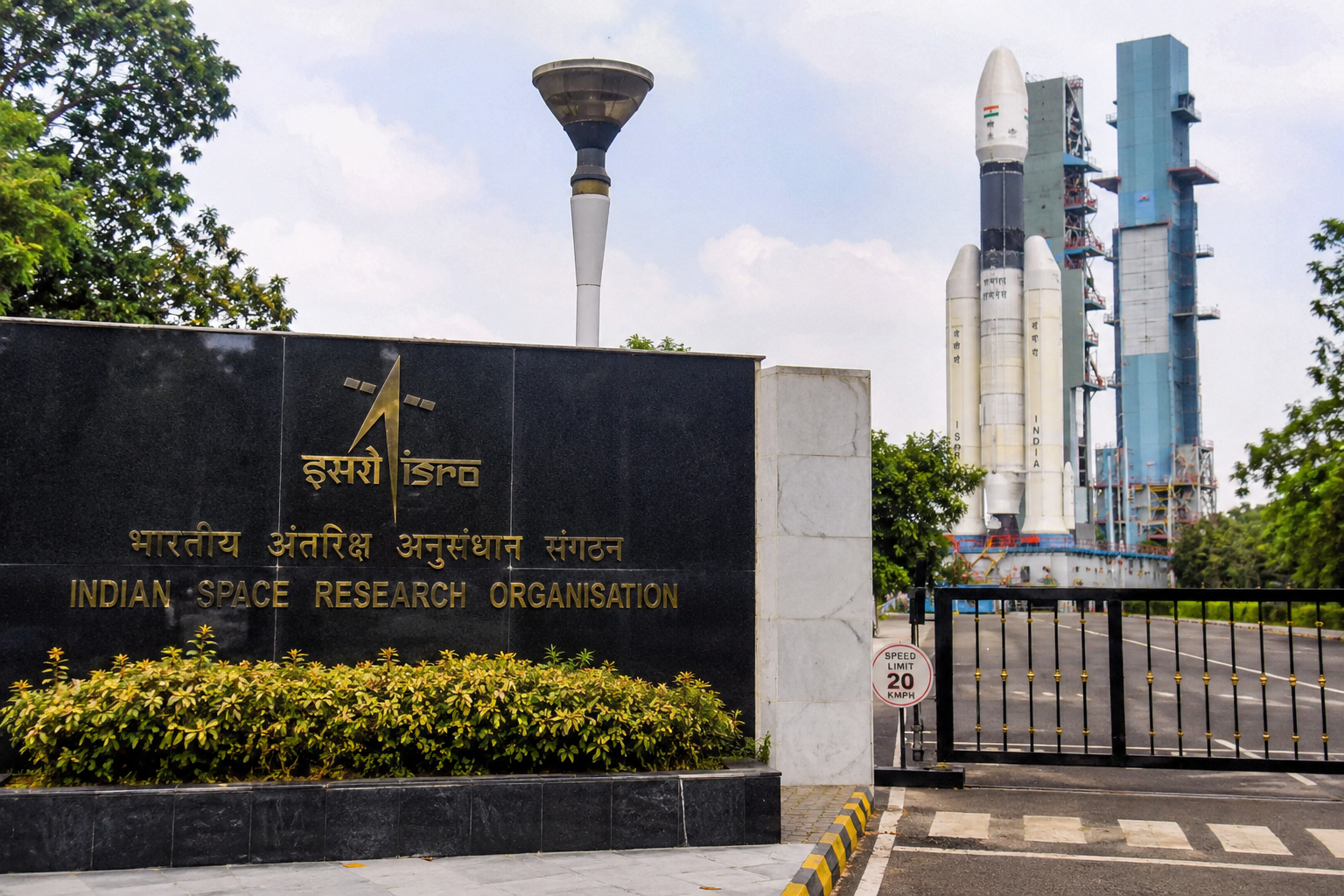
New Delhi: The Indian Space Research Organisation (ISRO) is taking steps to address a growing concern over the loss of scientific talent after more than 100 scientists reportedly resigned in recent months, including several associated with the Gaganyaan human spaceflight programme and other critical missions.
In response, the Department of Space (DoS) has introduced stricter guidelines for processing resignations and voluntary retirement requests from employees engaged in strategic projects. Under the revised policy, such requests will undergo greater scrutiny and require approval at the departmental level instead of being cleared solely by directors of individual ISRO centres.
The move comes as India prepares for several high-profile space missions, with Gaganyaan—the country's first crewed spaceflight mission—remaining one of its most ambitious projects. Officials believe retaining experienced scientists is essential to ensuring continuity, maintaining technical expertise and meeting mission deadlines.
Reports indicate that the latest resignations are part of a broader trend in which skilled professionals are opting for opportunities in the private space sector, research institutions and global aerospace companies. Better salaries, improved career prospects and greater flexibility in research are cited as some of the key reasons behind the departures.
While the resignations have raised concerns about the availability of experienced manpower, ISRO has maintained that its ongoing programmes remain on track. The organisation recently completed several crucial qualification tests for systems that will be used in the Gaganyaan mission, reaffirming its commitment to achieving mission objectives as scheduled.
Industry experts note that India's rapidly expanding space ecosystem has created increased demand for highly trained scientists and engineers. As private companies continue to play a larger role in satellite launches, space technology and research, competition for experienced talent has intensified.
The government's revised exit policy is intended to safeguard national interests by preventing disruptions to strategically important projects. Officials believe that preserving institutional knowledge and ensuring the availability of skilled personnel are vital for the success of future missions, including human spaceflight, advanced satellite launches, lunar exploration and deep-space programmes.
The recent developments have sparked discussions on the need for long-term measures to improve talent retention within ISRO. Experts suggest that alongside stricter exit norms, enhanced career growth opportunities, competitive compensation and greater research incentives could help the organisation retain its highly skilled workforce.
As India continues to expand its presence in the global space sector, balancing talent retention with the growing opportunities offered by the private industry will remain a key challenge for the country's premier space agency.
Powered by Froala Editor