

ICC Unveils New Format for 2027 ODI World Cup, Introduces Multi-Stage Competition
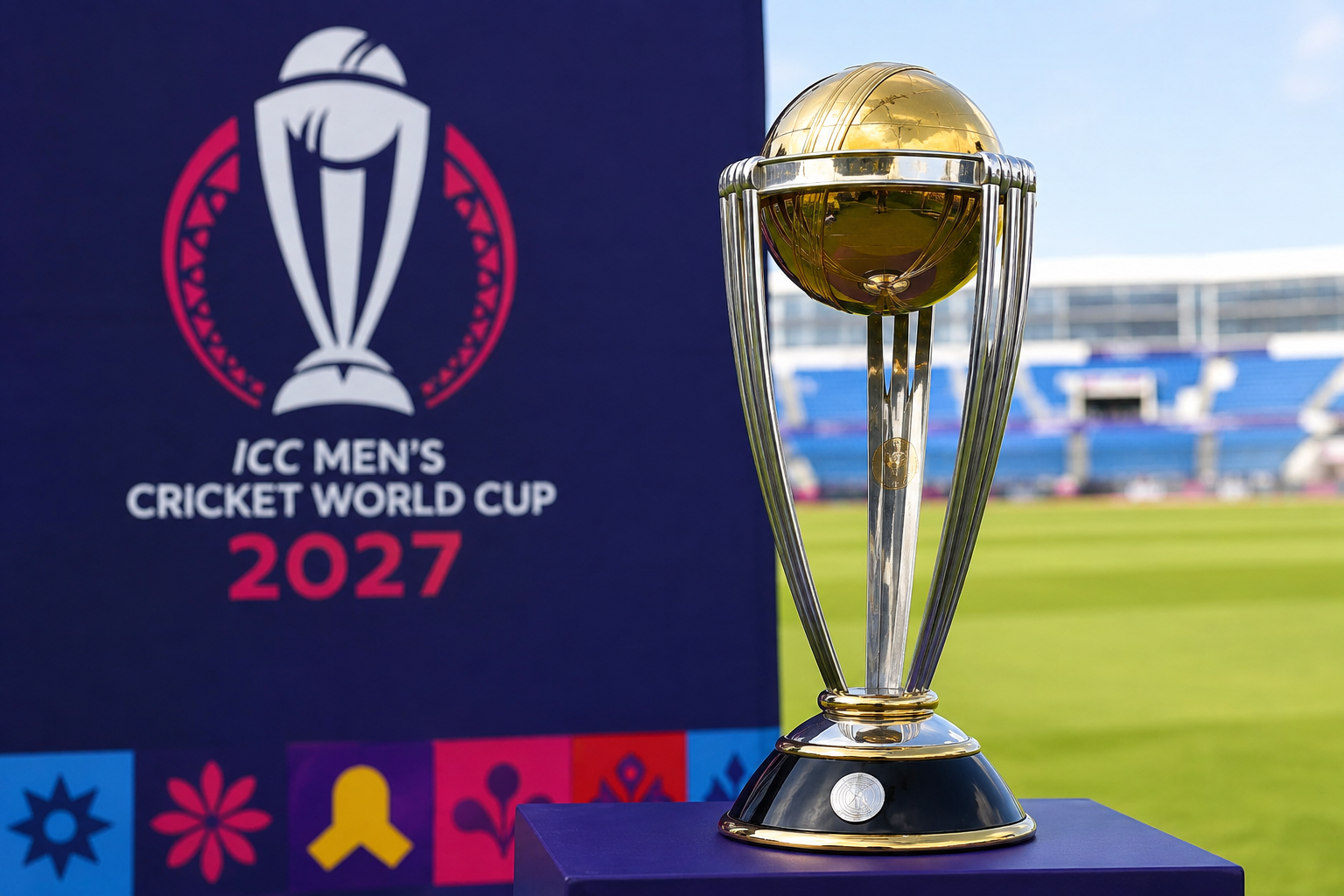
New Delhi: The International Cricket Council (ICC) has announced a significant overhaul of the format for the 2027 ICC Men's One Day International (ODI) World Cup, marking one of the biggest structural changes to the tournament in recent years. The revamped format aims to make the competition more competitive, reduce inconsequential matches, and increase excitement throughout the event.
The 2027 ODI World Cup, which will be jointly hosted by South Africa, Zimbabwe, and Namibia, will feature 14 participating teams. While the number of teams remains unchanged from the original plan, the tournament's structure has been redesigned to ensure that every match carries greater significance.
As per the new format, the tournament will begin with a preliminary phase known as the "Super Series." This stage will involve the lower-ranked qualified teams competing for a single place in the main tournament. The winner of this qualifying phase will advance to join the remaining teams in the next stage, ensuring that all participating nations have an opportunity to fight for a place in the championship.
The main tournament will consist of 12 teams divided into two groups of six. Each team will play every other side in its respective group in a round-robin format. The top-performing teams from each group will then progress to a newly introduced "Super 7" stage, replacing the traditional Super Six format used in earlier editions of the tournament.
In the Super 7 stage, teams will carry forward relevant results from the group stage and compete in additional matches against teams from the opposite group. This format has been designed to reward consistent performances while maintaining the importance of every league-stage fixture. At the end of the Super 7 round, the top four teams in the standings will qualify for the semi-finals, with the winners advancing to the final to compete for the prestigious World Cup trophy.
According to the ICC, the revised structure is intended to eliminate dead rubbers and ensure that teams remain in contention for qualification until the later stages of the tournament. Officials believe the new format will also provide fans with more high-quality contests and increase the chances of marquee encounters between leading cricket nations.
The changes have already generated considerable discussion among cricket experts and supporters. Many have welcomed the move, saying it will create a more engaging tournament and reward consistent performances. Others, however, have expressed concern that the revised qualification process and multi-stage format could make it more challenging for emerging cricket nations to progress deep into the competition.
The ICC approved the new format during its Annual Conference held in Edinburgh, where member nations discussed ways to improve the competitiveness and commercial appeal of international cricket events. Along with the ODI World Cup changes, the governing body also announced revisions to the format of the 2028 ICC Men's T20 World Cup as part of its broader strategy to modernize global tournaments.
With the 2027 World Cup still more than a year away, teams will now begin preparing for the new format, while fans eagerly await what promises to be one of the most competitive and exciting editions of cricket's premier 50-over tournament. The ICC believes the revised structure will deliver greater entertainment, higher stakes, and a more balanced contest among the world's leading cricket-playing nations.
Powered by Froala Editor