
Starmer Steps Down as UK Prime Minister Amid Mounting Political Pressure
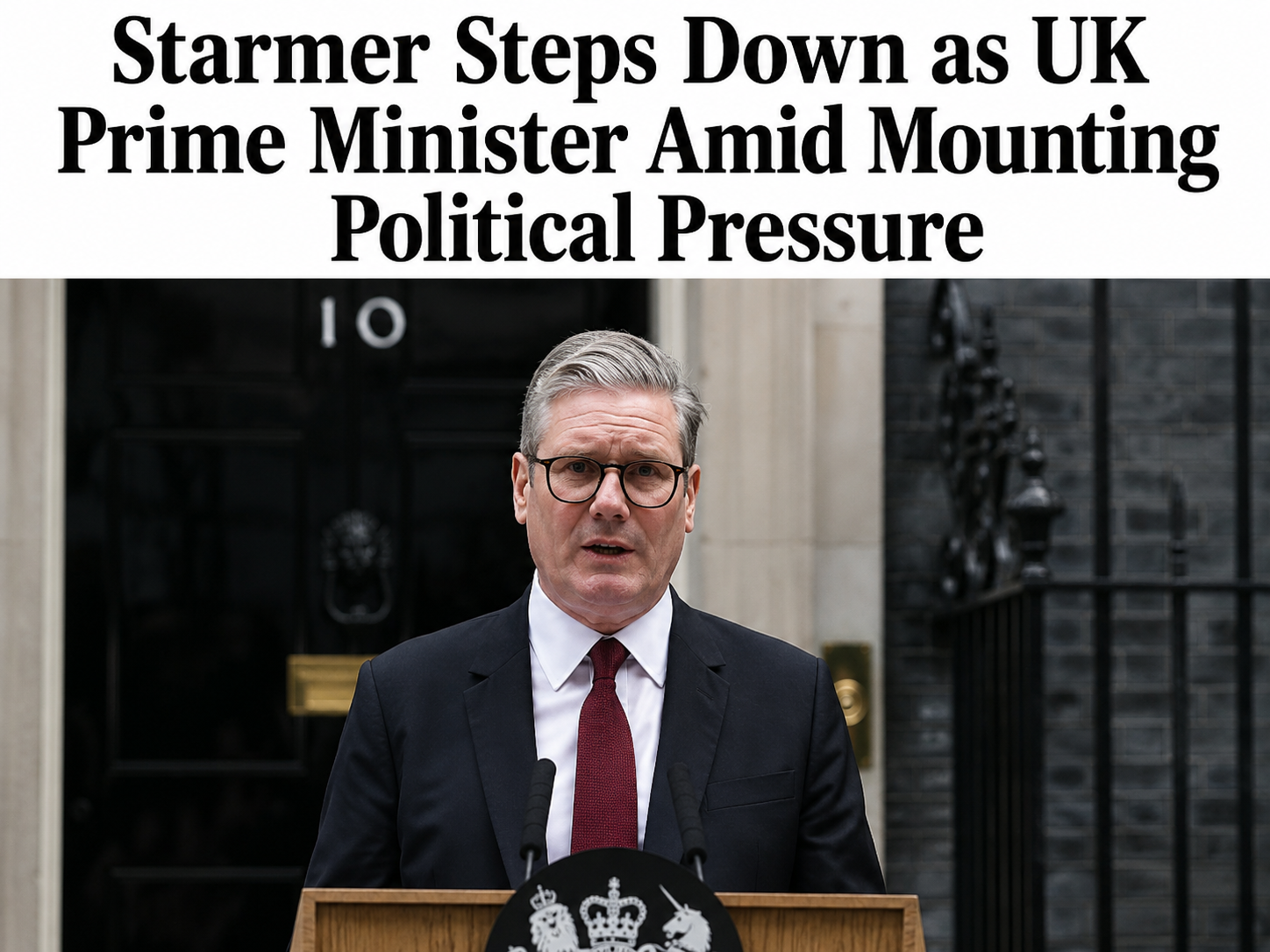
London, June 22: British Prime Minister Keir Starmer announced his resignation on Monday, bringing an abrupt end to a premiership that began with Labour's historic electoral victory in 2024. Starmer said he would remain in office until the Labour Party elects a new leader, with the leadership contest expected to conclude before Parliament reconvenes in September.
The resignation follows months of growing political and internal party pressure. Labour's popularity had steadily declined amid concerns over the economy, public services, immigration policy, and a series of government U-turns. The party also suffered significant setbacks in local elections earlier this year, losing hundreds of council seats and several traditional strongholds.
Starmer, who led Labour to a landslide victory in the July 2024 general election, initially enjoyed strong public support after ending 14 years of Conservative rule. However, his government soon faced criticism over policy decisions and leadership challenges, leading to declining approval ratings and increasing unrest within Labour ranks.
The pressure intensified in recent weeks following the resignation of Defence Secretary John Healey, who publicly criticized delays in military spending plans. The move was widely viewed as a sign of growing divisions within the government and further weakened Starmer's position.
Reports over the weekend suggested that senior Labour figures had privately urged the Prime Minister to step aside to prevent further damage to the party ahead of future elections. Speculation also grew around potential successors, with Greater Manchester Mayor Andy Burnham emerging as a leading contender after strengthening his influence within the party.
Announcing his decision outside Downing Street, Starmer acknowledged the concerns raised by colleagues and supporters, stating that it was time for Labour to begin a new chapter. He confirmed that nominations for the party leadership race would open in July, paving the way for a new leader to take charge later this summer.
Timeline of Events
- July 2024: Labour wins a landslide general election; Keir Starmer becomes Prime Minister.
- 2025–Early 2026: Government faces declining popularity amid economic and policy challenges.
- February 2026: Calls for leadership change emerge from within Labour.
- May 2026: Labour suffers major losses in local elections, increasing pressure on Starmer.
- June 11, 2026: Defence Secretary John Healey resigns, citing concerns over defence spending plans.
- June 20–21, 2026: Reports indicate Starmer is considering stepping down.
- June 22, 2026: Starmer officially announces his resignation and outlines plans for a leadership contest.
Starmer's departure marks a significant moment in British politics and sets the stage for a closely watched leadership race that will determine the future direction of the Labour Party and the United Kingdom.
Powered by Froala Editor