
Centre Clarifies E20 Fuel Policy Before Supreme Court, Denies Calling It an ‘Experiment’
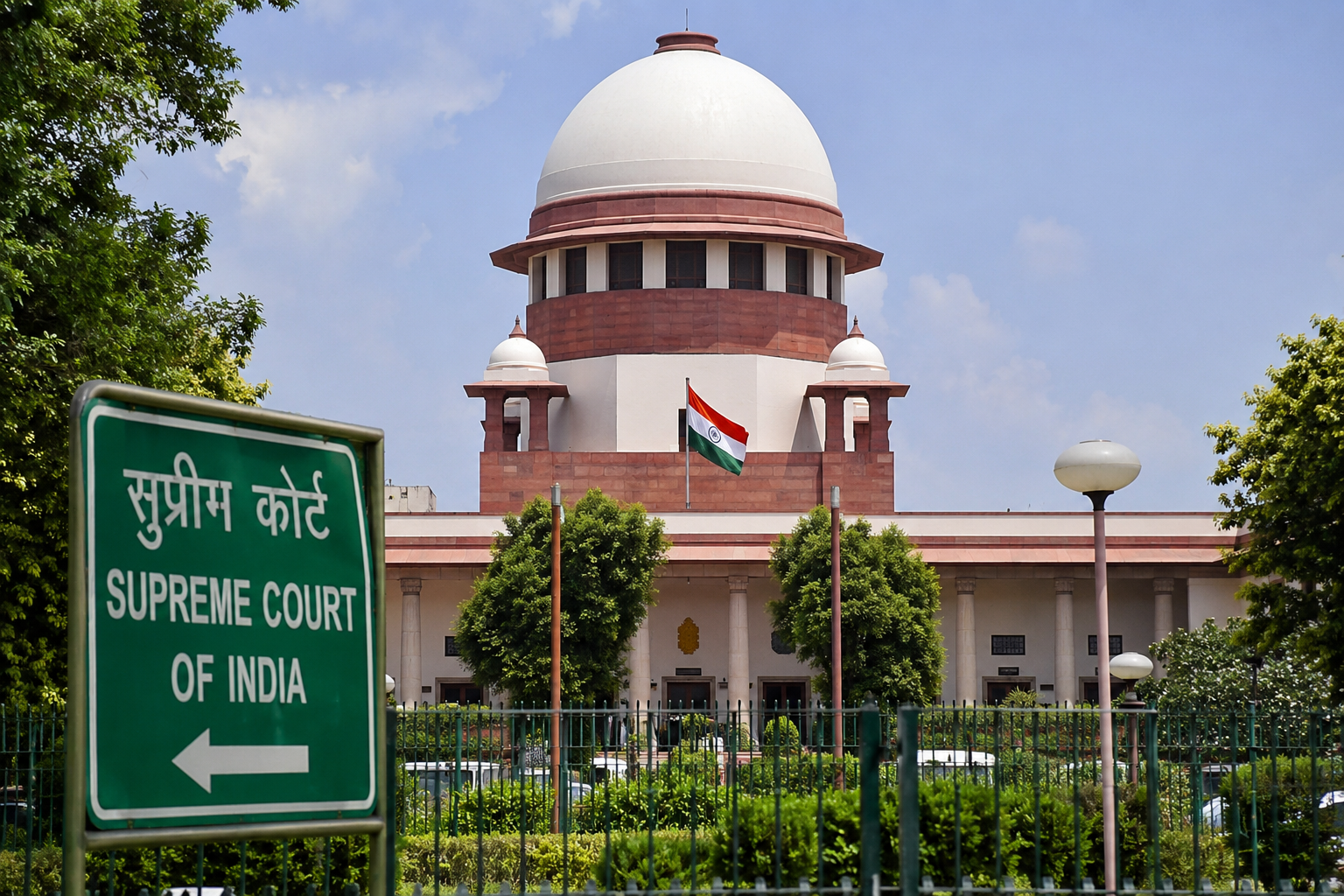
New Delhi, July 2: The Union Government has clarified before the Supreme Court that its nationwide E20 petrol initiative has never been described as an “experiment,” dismissing reports that suggested otherwise. The clarification came from the Office of the Attorney General after certain media reports claimed the Centre had referred to the ethanol-blended fuel programme as experimental during court proceedings.
The issue arose during the hearing of a petition related to ethanol allocation for the 2025–26 ethanol supply year. The case reached the Supreme Court after Bharat Petroleum Corporation Limited (BPCL) challenged an order of the Karnataka High Court concerning the distribution of ethanol among oil marketing companies.
Representing the Centre, the Attorney General informed the Supreme Court that the case has significant implications for the country's ethanol blending programme. The government argued that any changes in the allocation process at this stage could adversely affect the implementation of the E20 fuel policy, which has been introduced to reduce India's dependence on imported crude oil, improve energy security, and promote cleaner transportation.
The Centre also pointed out that several similar cases involving ethanol allocation are currently pending before different High Courts across the country. To ensure consistency in judicial decisions, the government informed the apex court that it intends to file transfer petitions seeking the consolidation of all such matters before a single court.
Taking note of the submissions, the Supreme Court directed that the existing ethanol allocation system should continue for the time being. The bench ordered the maintenance of the status quo until the matter is heard in greater detail, ensuring that there is no immediate disruption to the ongoing ethanol supply and blending programme.
Following the hearing, the Office of the Attorney General issued a formal clarification stating that media reports claiming the government had called the E20 programme an “experiment” were incorrect and misleading. According to the statement, no such description was made during the proceedings. The government emphasized that its submissions were limited to legal issues concerning ethanol allocation and the need to safeguard the smooth functioning of the national blending programme.
The E20 initiative is a key component of India's broader strategy to increase the use of biofuels and reduce carbon emissions. Under the programme, petrol sold across the country is blended with up to 20 percent ethanol, helping lower fossil fuel consumption while creating additional demand for ethanol produced from agricultural feedstock.
Officials maintained that uninterrupted ethanol allocation is crucial for achieving the country's long-term energy and environmental goals. The government reiterated that the legal dispute is centered on allocation procedures and not on the scientific or technical validity of the E20 fuel programme.
The Supreme Court is expected to hear the matter further after the Centre files the proposed transfer petitions. Until then, the existing allocation mechanism will remain in force, allowing oil marketing companies to continue ethanol procurement without disruption while the legal issues are resolved.
Powered by Froala Editor