
Odisha CM Orders Salary Deduction for Govt Employees Who Ignore Court-Ordered Maintenance
Move aimed at ensuring timely financial support to wives and children and strengthening compliance with judicial orders
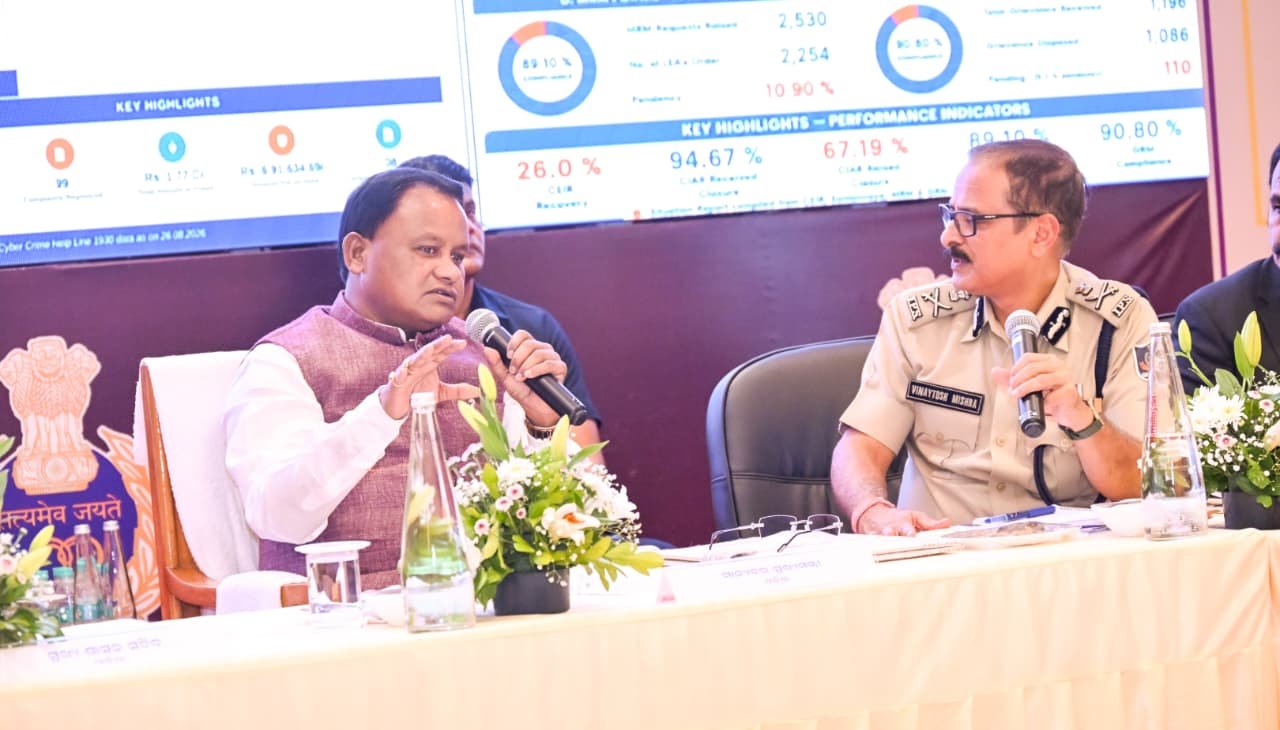
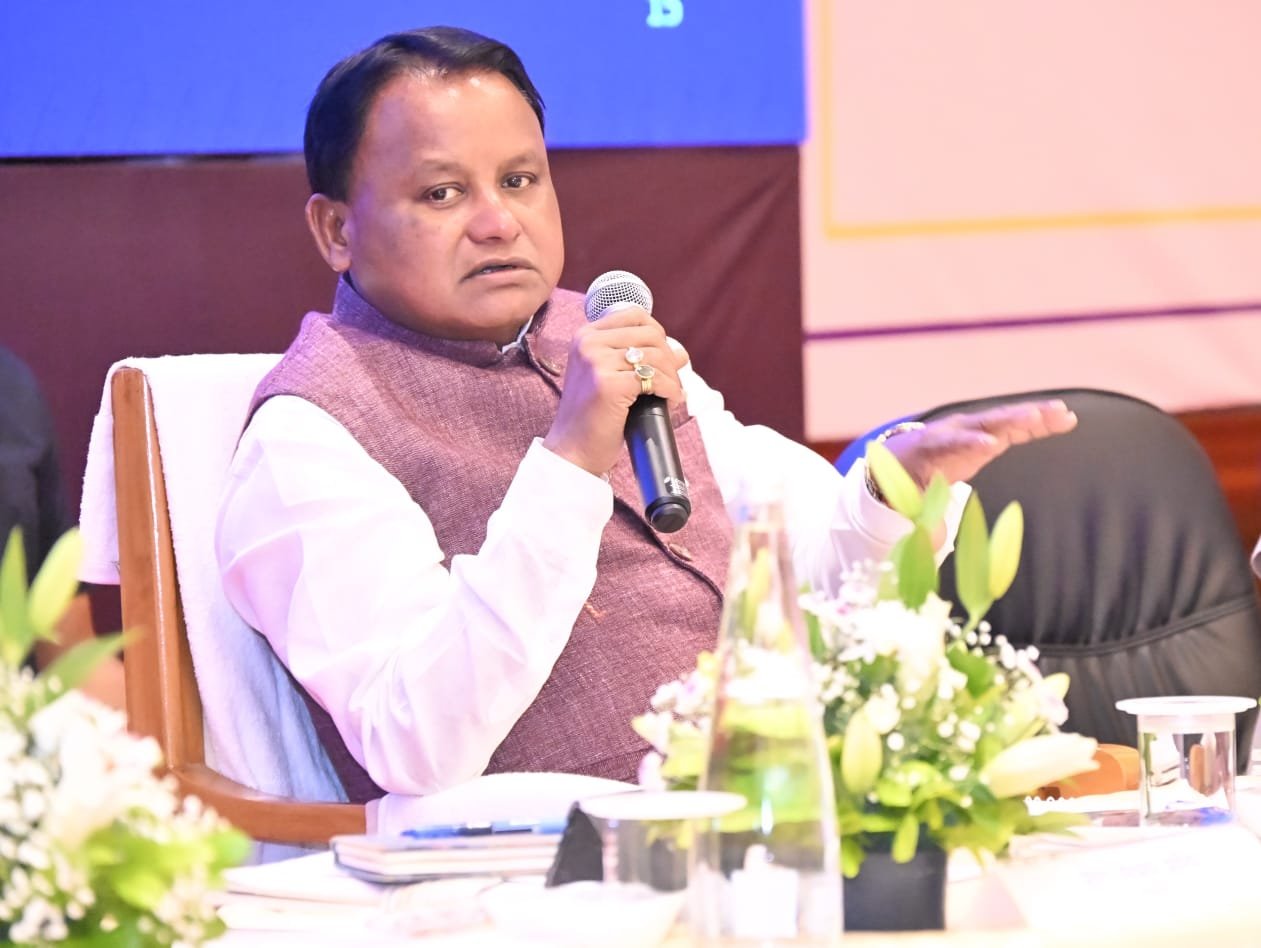
Bhubaneswar: The Odisha government has decided to take a stricter approach towards government employees who fail to comply with court orders directing them to pay maintenance or alimony to their wives or children. Chief Minister Mohan Charan Majhi has directed officials to deduct the court-ordered maintenance amount directly from the salaries of employees who default on such payments.
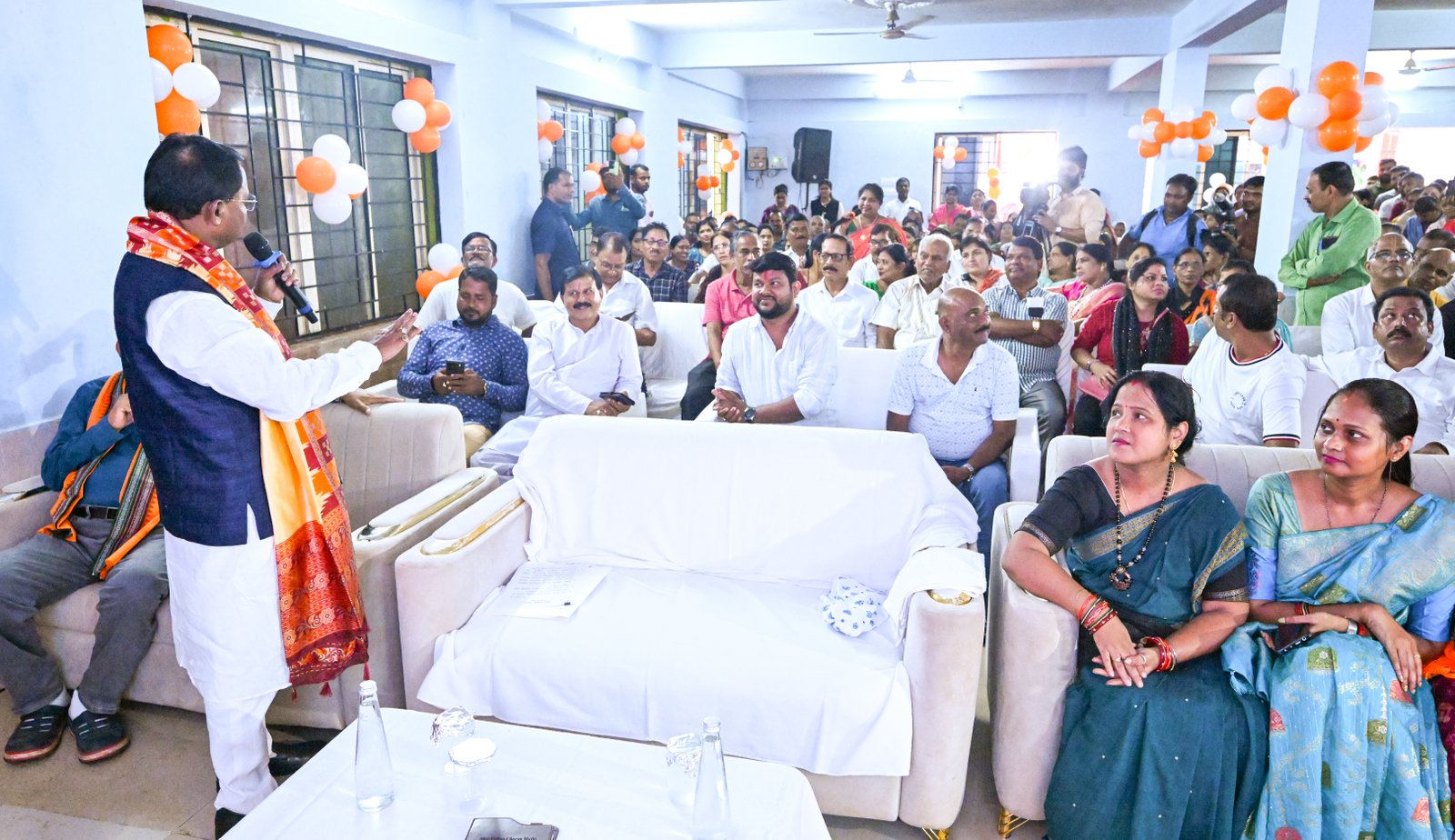
The decision was taken after the issue came up repeatedly during the Chief Minister’s public grievance hearings. According to officials, several complaints have been received from women and children who have been unable to receive financial assistance despite courts having issued clear directions for payment of maintenance.
Taking note of the recurring complaints, Chief Minister Majhi instructed the concerned departments to put in place an effective mechanism to ensure that judicial orders relating to maintenance are implemented without unnecessary delays.
Under the proposed mechanism, once a department receives a valid court order directing a government employee to pay maintenance or alimony, the prescribed amount will be deducted from the employee’s monthly salary. The responsibility for making the deduction will rest with the concerned Drawing and Disbursing Officer (DDO) while processing the employee’s salary.
After deduction, the amount will be transferred electronically to the bank account of the beneficiary identified in the court order. The beneficiary may include the employee’s wife or children, depending on the terms of the judicial order.
The government has also proposed integrating such court orders with the state’s Human Resource Management System (HRMS). The integration is expected to make the process more transparent and systematic while helping departments monitor compliance with court directions.
Officials said the initiative is intended to prevent beneficiaries from being forced to repeatedly approach authorities or courts for enforcement when a government employee fails to make payments ordered by a court. Direct salary deductions could provide a more reliable way of ensuring that maintenance reaches the intended beneficiary on time.
The issue is particularly significant in cases where women or children depend on court-ordered maintenance for their financial needs. Delays in receiving such payments can create considerable difficulties for families, especially when the person directed to pay the amount continues to draw a regular government salary.
The Chief Minister’s directive is being seen as an administrative measure to strengthen accountability among government employees and ensure respect for judicial decisions. It also seeks to establish a clear link between court orders and the government’s salary-disbursement system.
The Odisha government has emphasized that employees cannot disregard legally binding court directions while continuing to receive their salaries from the state exchequer. The proposed system is expected to ensure greater compliance and reduce delays in the implementation of maintenance orders.
The move sends a strong message that court-ordered financial obligations must be honoured and that administrative mechanisms will be used to ensure beneficiaries receive the support legally awarded to them.
Powered by Froala Editor