
QR Codes Made Mandatory for Vaccines, Anti-Cancer Medicines and Antimicrobials
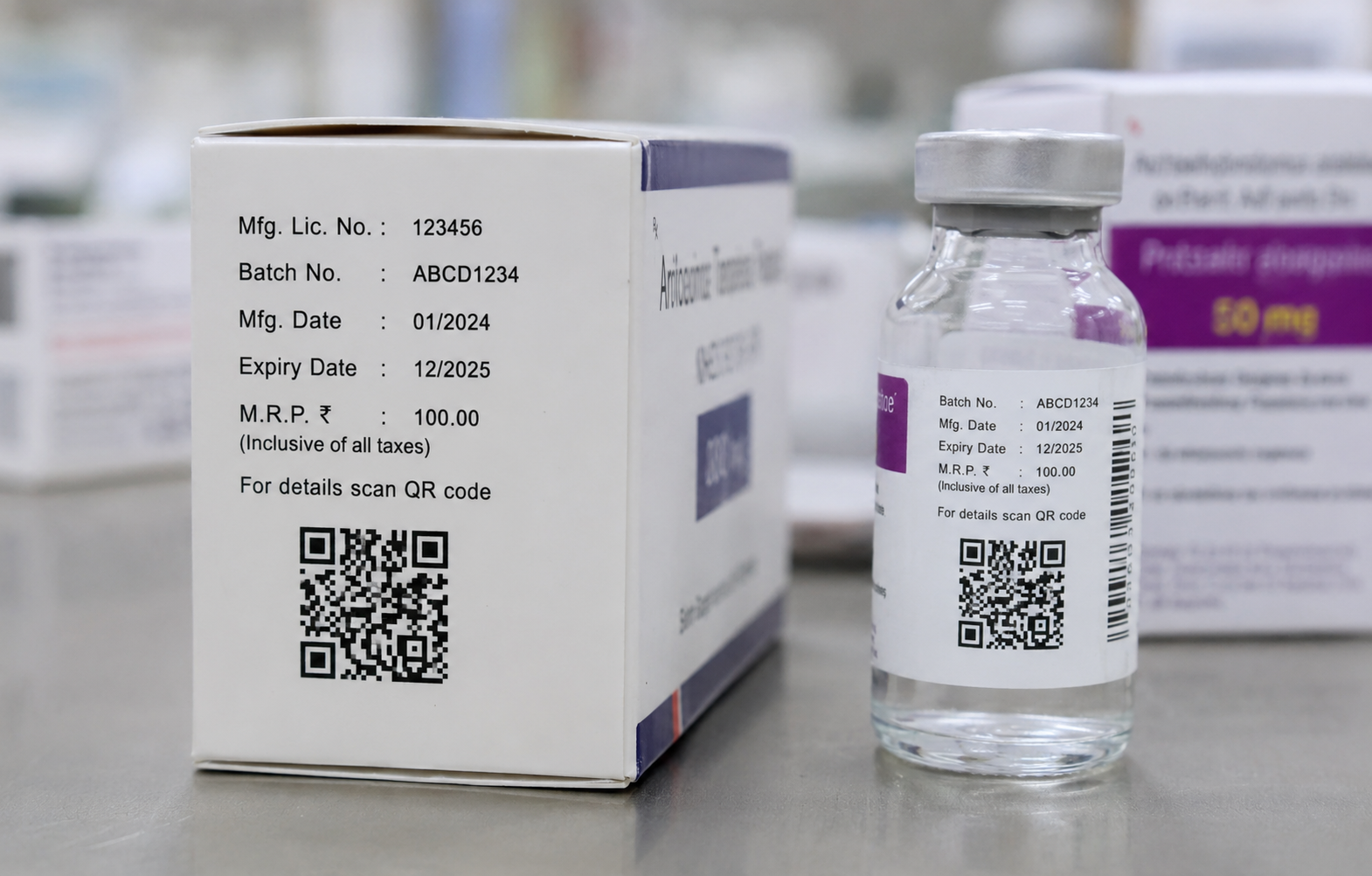
New Delhi, June 25: In a significant step towards strengthening drug safety and combating counterfeit medicines, the Central Government has made it mandatory for manufacturers to include QR codes or barcodes on the packaging of several categories of critical medicines, including vaccines, anti-cancer drugs, antimicrobials, and narcotic and psychotropic substances.
The move is aimed at improving transparency across the pharmaceutical supply chain and ensuring that patients receive genuine and safe medicines. The decision follows amendments to existing drug regulations, expanding the government's efforts to introduce a comprehensive track-and-trace mechanism for pharmaceutical products sold in the country.
According to officials, the QR code system will enable consumers, pharmacists, distributors, and regulatory authorities to instantly verify the authenticity of medicines. By scanning the code using a smartphone or a dedicated application, users will be able to access important details related to the product, helping them identify genuine medicines and avoid counterfeit products.
The information embedded within the QR code will include key details such as the medicine's brand and generic names, manufacturing company, batch number, manufacturing date, expiry date, licence information, and product identification code. These details are expected to provide greater transparency and improve accountability throughout the distribution process.
Government sources stated that the new requirement is part of a broader strategy to enhance patient safety and strengthen regulatory oversight in the pharmaceutical sector. Counterfeit and substandard medicines remain a major challenge globally, and authorities believe the use of digital verification technology can significantly reduce the circulation of fake drugs in the market.
The latest amendment expands earlier regulations that covered only a limited number of leading pharmaceutical brands. Under the revised framework, the mandatory QR code requirement will now apply to a much wider range of essential medicines, particularly those that play a crucial role in public health and disease management.
Health experts have largely welcomed the initiative, describing it as a major advancement in protecting patients from fraudulent medicines. They note that fake medicines can not only fail to treat illnesses but may also pose serious health risks. The ability to verify products quickly through a QR code is expected to increase public confidence in medicines available in pharmacies and healthcare facilities.
The measure is also expected to support efforts to address antimicrobial resistance, a growing global health concern. By ensuring better monitoring and traceability of antimicrobial medicines, authorities hope to reduce the circulation of counterfeit products that contribute to ineffective treatment and drug resistance.
Industry stakeholders have been given a phased timeline to comply with the new regulations. While vaccine manufacturers and producers of anti-cancer and narcotic medicines are expected to implement the system promptly, additional time may be provided for other categories to ensure a smooth transition.
Officials believe that the expanded QR code-based tracking system will modernize India's pharmaceutical supply chain and strengthen the country's reputation as a reliable producer of medicines. As digital verification becomes increasingly common, the initiative is expected to play a key role in safeguarding public health and ensuring greater trust in the healthcare system.
Powered by Froala Editor