
ISKCON Rejects Gajapati Maharaja's Appeal on 'Untimely' Rath Yatra, Row Deepens
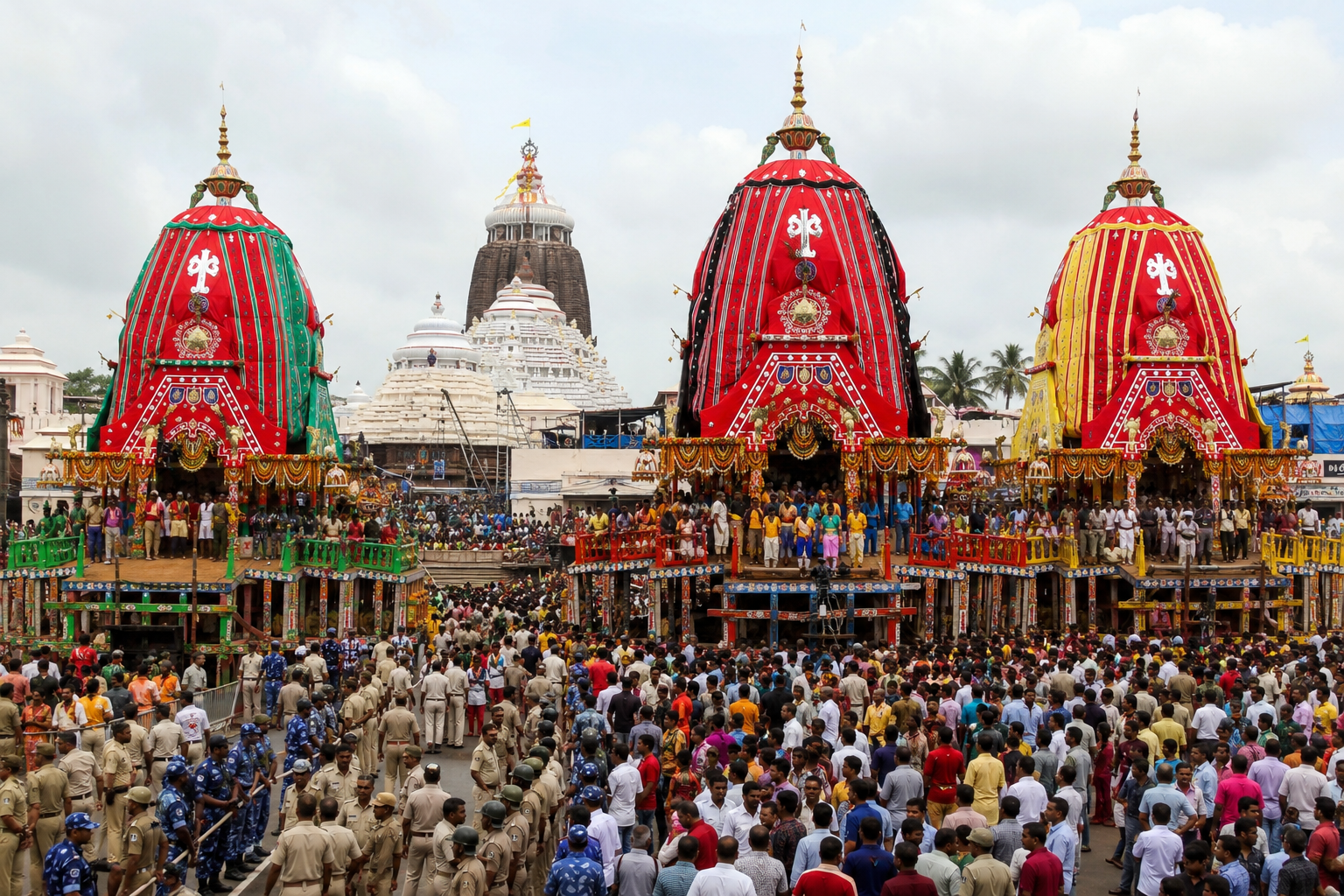
Bhubaneswar, July 10: A fresh controversy has emerged over the observance of Rath Yatra after the International Society for Krishna Consciousness (ISKCON) declined an appeal by Puri Gajapati Maharaja Dibyasingha Deb to refrain from conducting the festival outside the traditional dates prescribed by the Jagannath temple calendar.
The Gajapati Maharaja, regarded as the foremost servitor of Lord Jagannath, had urged ISKCON to celebrate Rath Yatra strictly in accordance with the centuries-old traditions followed at the Jagannath Temple in Puri. He maintained that the annual chariot festival should be observed only during the sacred nine-day period beginning on Ashadha Shukla Dwitiya, as laid down in temple customs and scriptures.
However, ISKCON has decided to go ahead with its scheduled Rath Yatra programmes, stating that the celebrations are part of its long-standing global mission to spread devotion to Lord Jagannath and Lord Krishna. The organisation said its festivals, conducted in different countries and cities according to local circumstances, have helped millions of devotees participate in Jagannath worship.
The issue has sparked concern among Jagannath devotees and temple servitors, who argue that organising Rath Yatra on dates outside the prescribed calendar may create confusion among devotees and dilute the sanctity of the traditional festival. They insist that the rituals associated with Lord Jagannath are governed by established religious scriptures and should not be altered.
Earlier, the Gajapati Maharaja had also written to the President of India, the Prime Minister and other authorities, seeking their intervention to preserve the traditional observance of Rath Yatra and prevent what he described as "untimely" celebrations.
Despite these appeals, ISKCON has maintained its stand, asserting that its celebrations are devotional in nature and are intended to make the festival accessible to followers across the world without affecting the rituals observed at the Jagannath Temple in Puri.
The disagreement has once again highlighted the ongoing debate between preserving the ancient traditions of the Jagannath cult and accommodating the practical needs of a global religious movement. While both sides emphasise devotion to Lord Jagannath, they differ on the interpretation of how and when the Rath Yatra should be celebrated.
As the debate continues, devotees and religious scholars are closely watching whether further dialogue can bridge the differences and uphold both tradition and the global spread of Jagannath devotion.
Powered by Froala Editor