
Supreme Court Refuses to Relax Order on Removal of Stray Dogs From Public Places
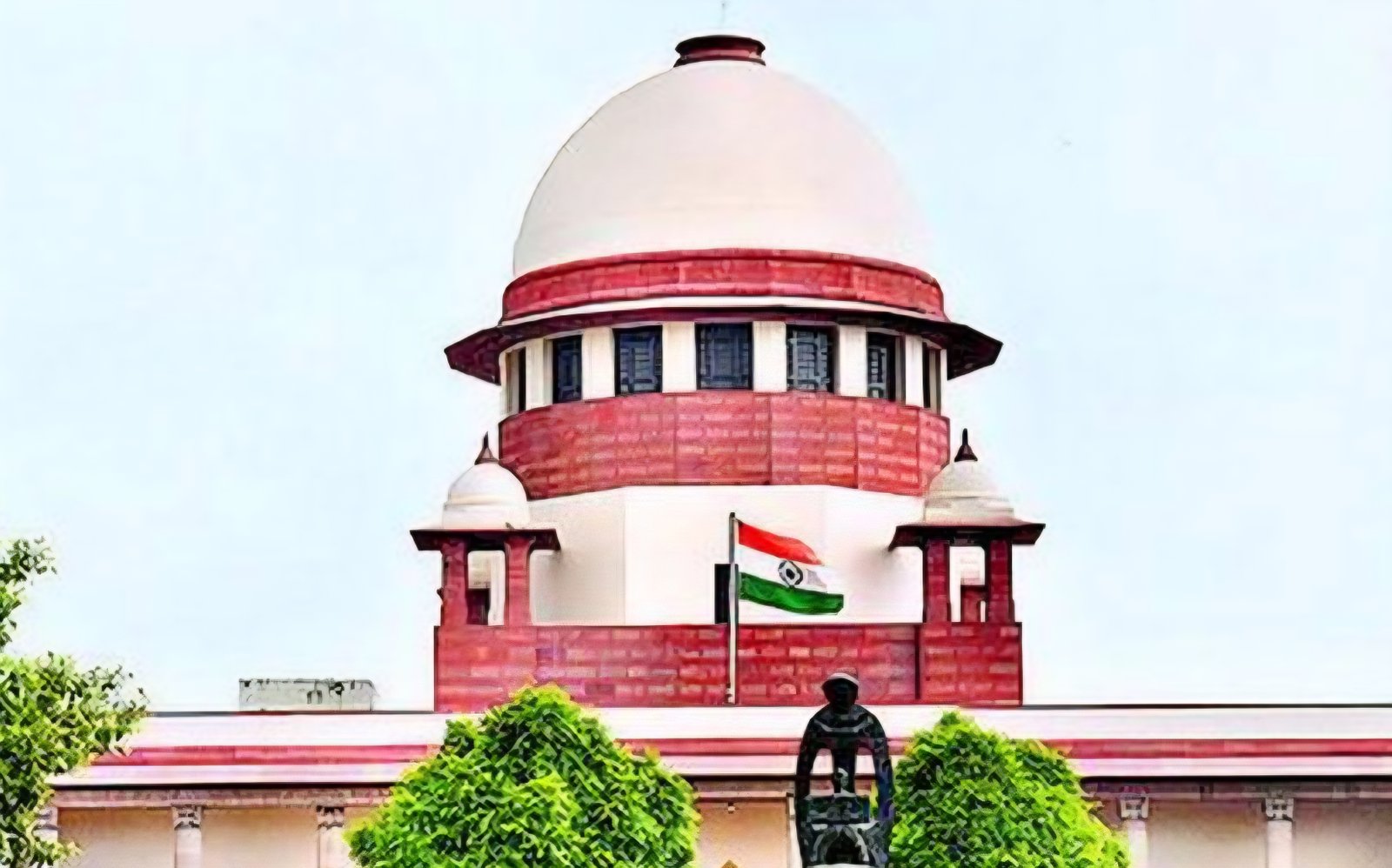
New Delhi : The Supreme Court on Tuesday declined to modify its earlier directive regarding the removal of stray dogs from crowded public places, reaffirming that public safety must remain a top priority amid rising incidents of dog attacks across the country. The decision came while hearing petitions filed by animal welfare activists and organisations seeking changes to the court’s previous order.
A bench comprising Justices Vikram Nath, Sandeep Mehta and N.V. Anjaria stated that authorities cannot ignore the growing threat posed by stray dog attacks in sensitive public spaces such as hospitals, schools, railway stations, airports and bus terminals. The apex court observed that citizens have a fundamental right to move freely without fear and stressed that the administration must ensure safer public spaces.
The petitions challenging the earlier order argued that relocating stray dogs from their territories could violate animal welfare principles and disrupt existing sterilisation and vaccination programmes. However, the Supreme Court refused to grant relief, saying the concerns of public safety outweigh the objections raised by the petitioners.
The court reiterated that stray dogs captured from high-risk public areas should not be released back into the same locations after sterilisation or vaccination. Instead, local authorities and civic bodies were directed to shift them to designated shelters or rehabilitation facilities. The bench also emphasised that state governments and municipal corporations must improve the management of stray animal populations through scientific and humane measures.
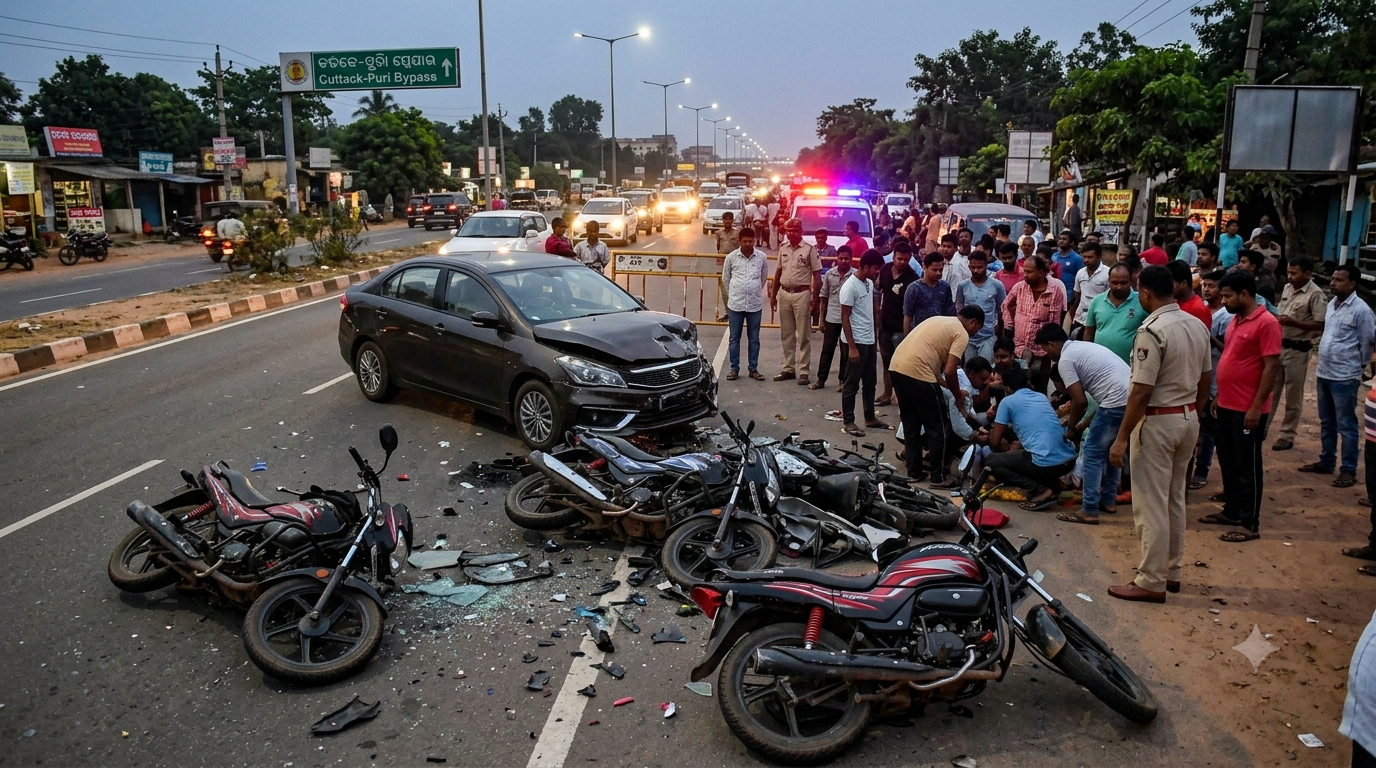
During the hearing, the judges referred to multiple reports of dog bite incidents from different parts of the country. The court noted that children, elderly citizens and pedestrians are among the worst affected. It remarked that the judiciary cannot remain disconnected from the realities faced by ordinary people who regularly encounter aggressive stray dogs in public areas.
The Supreme Court further clarified that euthanasia can only be considered in exceptional situations involving rabid, terminally ill or highly aggressive dogs. Such action, the bench said, must strictly follow the provisions laid down under the Prevention of Cruelty to Animals Act and the Animal Birth Control Rules, with proper veterinary supervision and legal safeguards in place.
At the same time, the court expressed dissatisfaction over the poor implementation of sterilisation and vaccination programmes in several states. It criticised local administrations for failing to effectively control the stray dog population despite existing policies and funds allocated for animal birth control initiatives. The bench warned that officials responsible for non-compliance with earlier directives could face contempt proceedings.
The ruling has once again triggered a national debate between animal rights groups and citizens demanding stronger measures for public safety. While animal welfare organisations continue to advocate humane treatment and rehabilitation of stray dogs, several resident associations and public groups have welcomed the court’s decision, saying it addresses the growing concerns over dog attacks and safety in urban areas.
The Supreme Court indicated that High Courts across different states may continue monitoring the implementation of the directives to ensure proper compliance by local authorities.
Powered by Froala Editor