
Assam Achieves Major Livestock Milestone With IVF-Born Lakhimi Calf
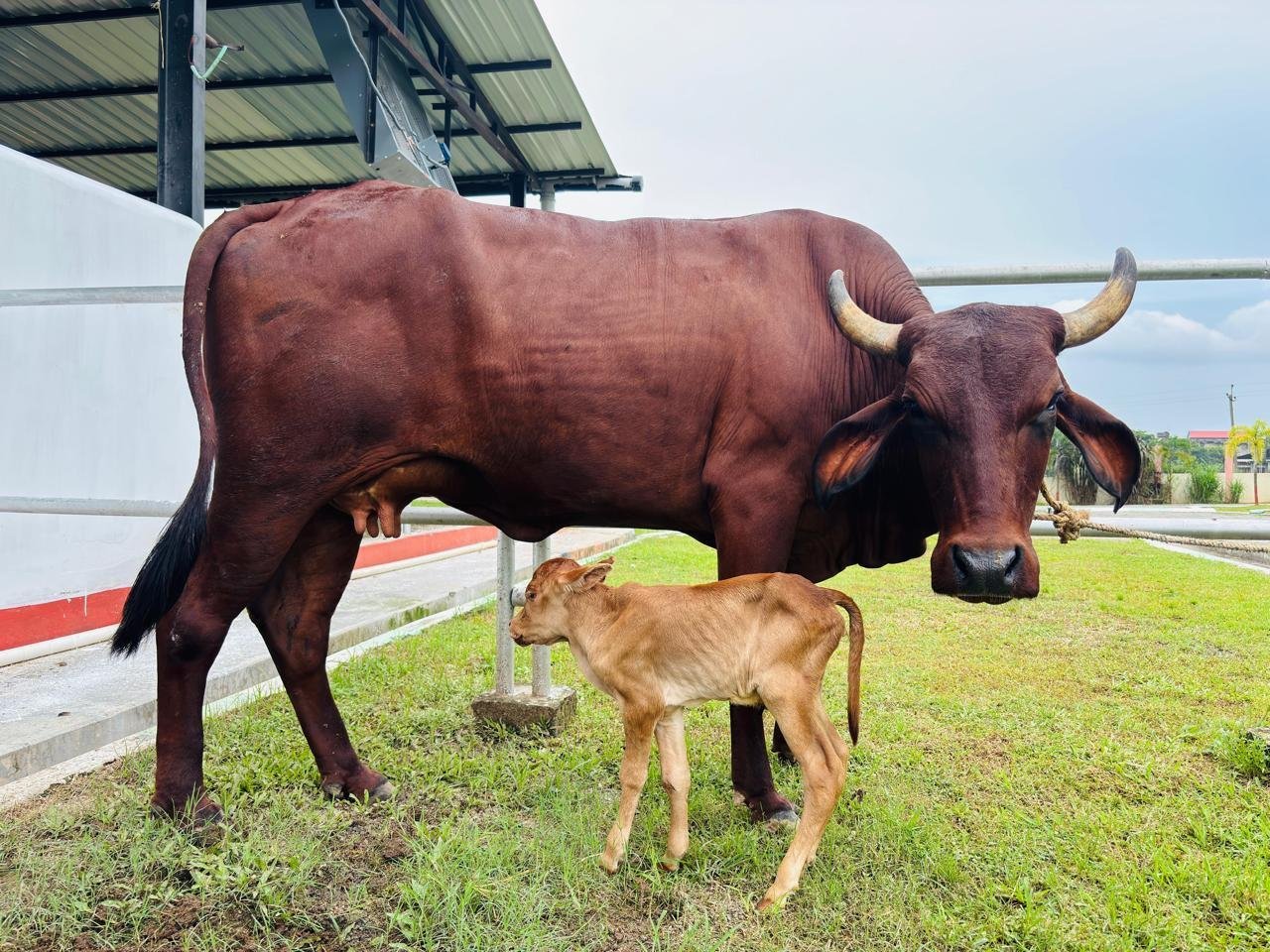
Guwahati: Assam has recorded a significant breakthrough in livestock biotechnology with the birth of an IVF-born female calf belonging to the indigenous Lakhimi cattle breed. The achievement marks an important development in the state’s efforts to promote advanced reproductive technologies while conserving and improving native cattle breeds.
The development was announced by Assam Chief Minister Himanta Biswa Sarma, who highlighted the birth as a major accomplishment for the state’s veterinary and livestock sector. The calf was born through in-vitro fertilisation (IVF) and embryo-transfer technology at veterinary facilities in Guwahati.
The Lakhimi breed holds special importance for Assam as it is an indigenous cattle variety associated with the state. Scientists and livestock experts have been working to improve the productivity and genetic quality of native breeds while ensuring that their valuable characteristics are preserved.
IVF technology can play an important role in achieving these objectives. Under the process, embryos with desirable genetic characteristics can be produced and transferred to suitable recipient cows. This can help increase the number of calves born from genetically superior animals in a comparatively shorter period.
The latest development is also being viewed as a boost to Assam’s dairy sector. Indigenous cattle breeds can be better conserved through scientific breeding programmes, while farmers may eventually benefit from improved animals with better reproductive and productive characteristics.
The state has been strengthening its infrastructure for assisted reproductive technologies under the Rashtriya Gokul Mission, a central government programme aimed at the development and conservation of indigenous bovine breeds. Advanced facilities for ovum pick-up, IVF and embryo transfer have been established to support scientific cattle breeding.
Assam has already demonstrated progress in the field of assisted reproduction. Earlier in 2026, the state reported the birth of its first IVF-born calf, a female Gir calf, at a dairy farm in Sonapur in Kamrup district. The latest birth involving the Lakhimi breed further expands the scope of IVF technology in the state.
Experts believe that such initiatives could contribute to the long-term conservation of indigenous cattle genetic resources. By using advanced breeding techniques, valuable genetic traits can potentially be preserved and multiplied, reducing the risk of losing important native breeds.
The development also highlights the growing role of modern biotechnology in India’s livestock sector. While traditional cattle breeding remains important, technologies such as IVF and embryo transfer can complement existing programmes and accelerate genetic improvement.
For Assam, the birth of the Lakhimi calf is therefore more than a scientific achievement. It represents an effort to combine modern veterinary science with the conservation of the state’s indigenous livestock heritage. If such programmes are expanded successfully, they could provide new opportunities for dairy farmers, strengthen breed conservation and contribute to the overall growth of Assam’s rural economy.
Powered by Froala Editor