
India Clears First Dengue Vaccine, Marking Major Milestone in Fight Against Mosquito-Borne Disease
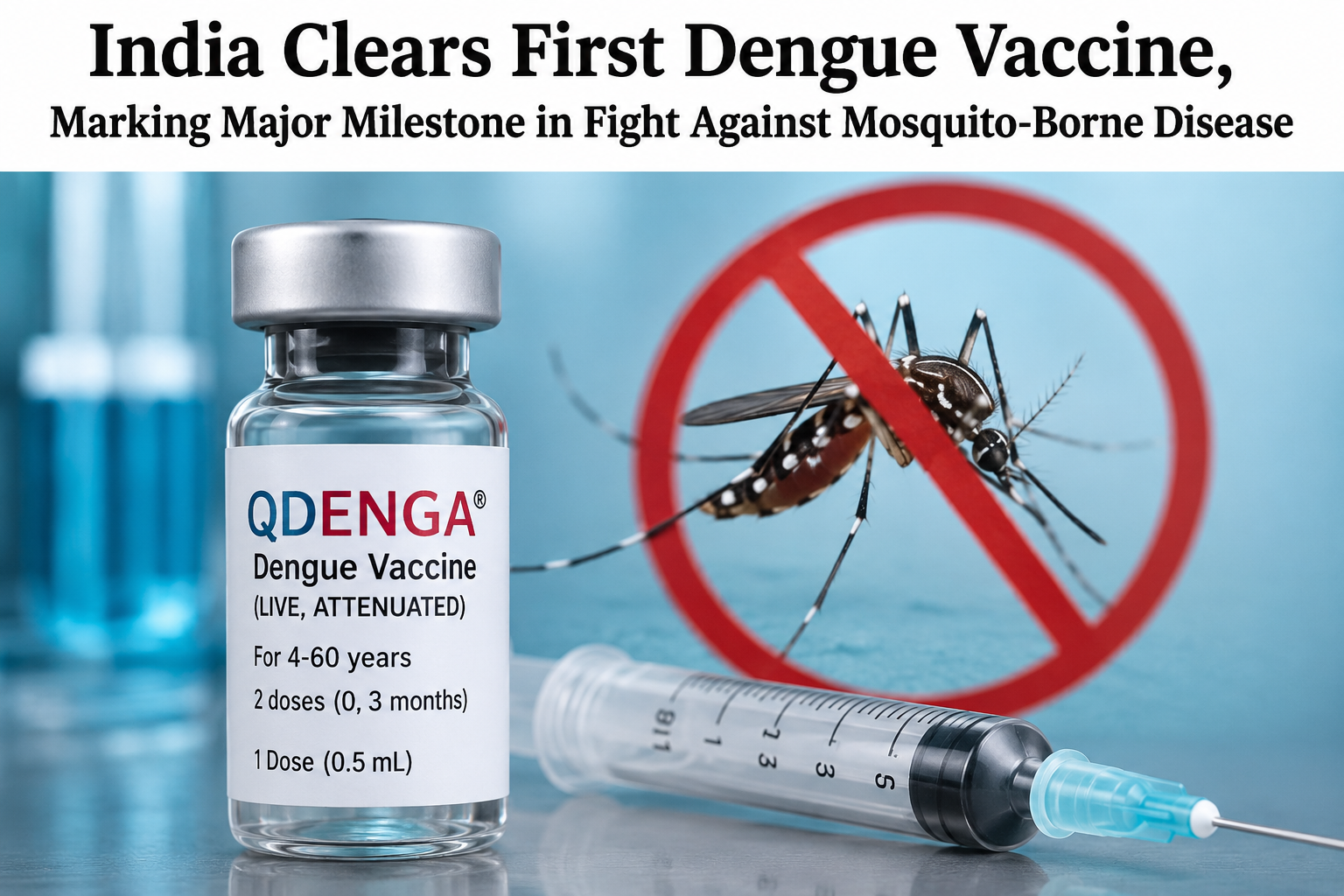
New Delhi, July 20: India has taken a significant step in strengthening its public health system with the approval of the country's first dengue vaccine. The Drug Controller General of India (DCGI) has granted marketing approval to QDENGA, a vaccine developed by Japanese pharmaceutical company Takeda, offering fresh hope in the fight against one of the nation's most widespread mosquito-borne illnesses.
The approval is being seen as a major breakthrough, especially as dengue cases have continued to rise across India in recent years. The vaccine is designed to provide protection against all four known serotypes of the dengue virus, which is responsible for recurring outbreaks in several states every year. Health experts believe the availability of an effective vaccine could help reduce severe infections, hospital admissions and dengue-related complications.
According to the approved guidelines, QDENGA can be administered to individuals between the ages of 4 and 60 years. The vaccination schedule consists of two doses, with the second dose to be given three months after the first. One of the key advantages of the vaccine is that it does not require recipients to undergo prior blood testing to determine whether they have previously been infected with dengue. This makes the vaccination process simpler and more practical for large-scale immunisation programmes.
Clinical studies conducted before approval have shown encouraging results. The vaccine demonstrated strong protection against laboratory-confirmed dengue infections and was found to significantly lower the risk of hospitalisation caused by the disease. These findings played an important role in the Indian drug regulator's decision to approve the vaccine for use in the country.
Dengue has emerged as a serious public health concern in India over the past two decades. Spread by the Aedes mosquito, the viral disease causes high fever, severe headaches, joint pain and skin rashes. In severe cases, it can lead to internal bleeding, organ failure and even death if timely medical care is not provided. Thousands of people are affected every year, particularly during and after the monsoon season when mosquito breeding increases.
Public health experts have welcomed the approval, calling it a milestone in India's efforts to tackle dengue. However, they have stressed that vaccination should complement—not replace—existing preventive measures. Eliminating stagnant water, maintaining proper sanitation, using mosquito repellents and ensuring early diagnosis and treatment will continue to be essential in controlling the spread of the disease.
QDENGA has already received regulatory approval in several countries around the world. To support its rollout in India, Takeda has partnered with Indian vaccine manufacturer Biological E to strengthen local production and improve availability. This collaboration is expected to ensure a steady supply of doses once commercial distribution begins.
Meanwhile, Indian pharmaceutical companies are also working on developing indigenous dengue vaccines, with several candidates currently undergoing advanced stages of clinical trials. These efforts are expected to further expand India's vaccine options in the coming years.
The approval of the country's first dengue vaccine represents a landmark achievement in public health. While experts caution that dengue control will continue to require sustained mosquito management and community participation, the availability of an effective vaccine is expected to become a powerful new tool in reducing the disease burden and protecting millions of people across the country.
Powered by Froala Editor