
Naveen Patnaik Demands Immediate Release of CJP Leaders, Raises Concerns Over Prolonged Custody
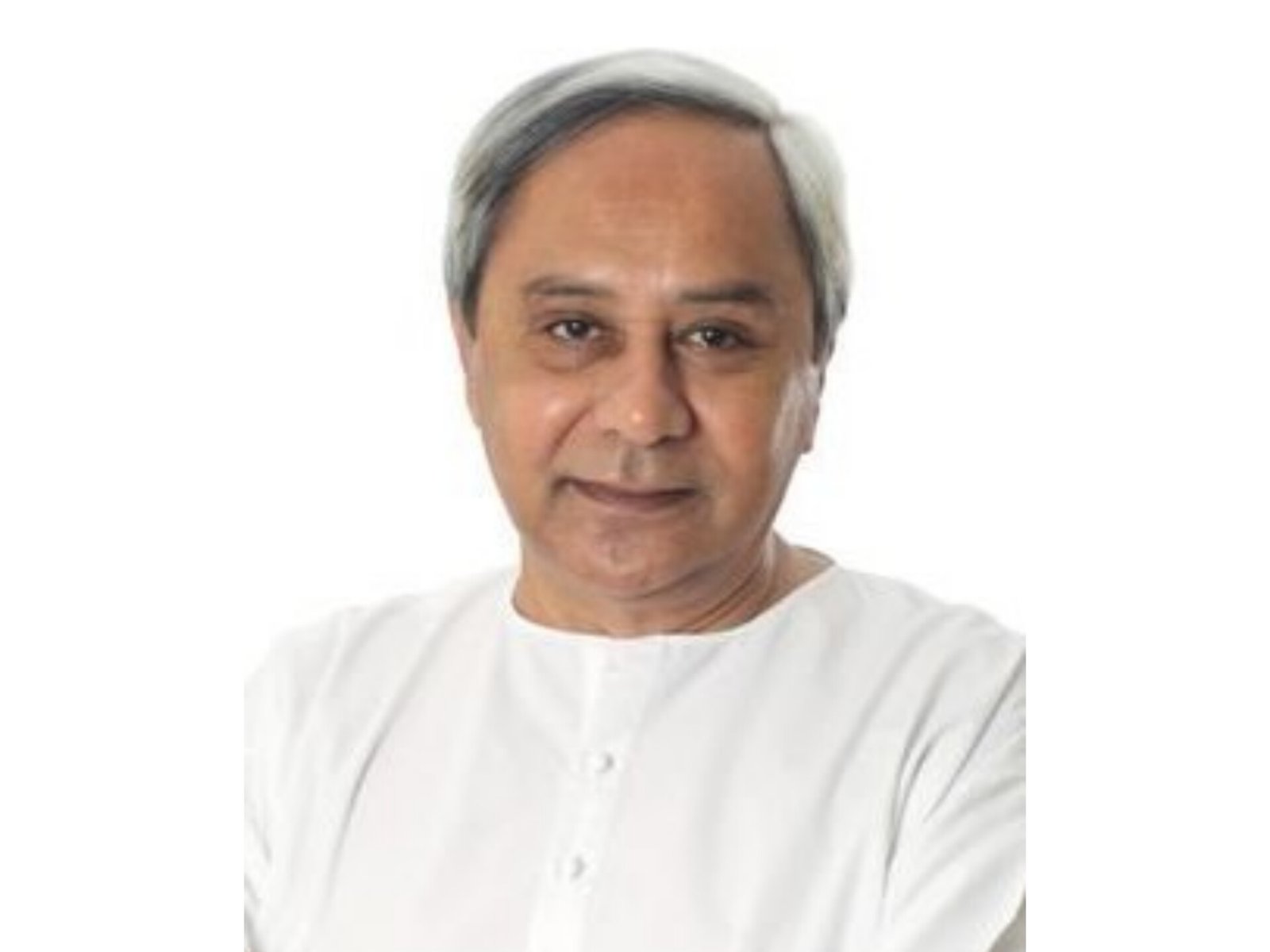
Bhubaneswar/New Delhi, October 21: Biju Janata Dal (BJD) president and Leader of Opposition in the Odisha Assembly, Naveen Patnaik, has demanded the immediate release of Cockroach Janata Party (CJP) leaders Ashutosh Ranka and Saurav Das, expressing concern over their continued detention following a protest in New Delhi.
Patnaik's intervention has brought renewed attention to the detention of the two leaders and the broader debate surrounding the right to protest, freedom of expression and the protection of constitutional liberties in a democratic society.
According to media reports, Ranka and Das were detained on October 13 in connection with an incident at Jantar Mantar, where they allegedly entered a restricted area, displayed the national flag and raised slogans against Chief Election Commissioner Gyanesh Kumar. The circumstances surrounding the incident and the subsequent legal proceedings have drawn political attention.
Patnaik reportedly called for an urgent review of the leaders' judicial custody, arguing that their continued detention deserved reconsideration. His demand has added a significant political dimension to the case, with the BJD chief emphasising the importance of protecting individual liberty and ensuring that legal procedures remain consistent with constitutional principles.
The former Odisha chief minister's position reflects concerns about the proportionality of detention in cases involving political protest. The issue has also highlighted the need to distinguish between lawful expressions of dissent and actions that may violate restrictions imposed by the authorities.
Debate Over Freedom of Expression
The detention of the CJP leaders has renewed discussion about the scope of peaceful protest in India. The right to express opinions, criticise public authorities and participate in democratic debate is an important feature of the constitutional framework. However, such rights are subject to lawful restrictions intended to maintain public order and protect public safety.
Legal experts generally assess detention-related disputes by examining the circumstances of the incident, the applicable legal provisions and the grounds presented before the competent court. The final determination in any such matter rests with the appropriate judicial authority.
Patnaik's appeal has brought the question of prolonged custody into the political discussion, with attention focused on whether the circumstances justify continued detention and whether the matter can be resolved through an expedited legal process.
Political Reactions and the Road Ahead
The development is likely to keep the issue in the public spotlight, particularly as political parties and civil society groups continue to debate the relationship between public order and individual freedoms.
For the two detained leaders, the immediate priority remains the legal process governing their custody and any application seeking relief before the competent court. Their release would depend on the relevant judicial or legal procedures rather than political demands alone.
Patnaik's statement underscores the importance of safeguarding democratic values while respecting the rule of law. As the case progresses, the court's consideration of the facts, the allegations and the legal grounds for detention will be crucial in determining the next course of action.
The episode has once again highlighted the delicate balance between the authority of law-enforcement agencies and citizens' constitutional freedoms. Further developments in the case are expected to clarify the legal position and determine whether the CJP leaders will receive relief from continued custody.
*AI Generated
Powered by Froala Editor